

Insight Into Diamond Cut Options for the Discerning Buyer
Diamond Cut Options Explained for Buyers
Diamonds are a timeless symbol of love, commitment, and luxury. As a representative of Diamond Store USA, I've spent years helping clients select the perfect gem to celebrate life's most important moments. One of the key factors in determining a diamond’s beauty is its cut—not only the shape but also the proportions and craftsmanship that transform a raw stone into a sparkling treasure. This article explores various diamond cut options, explains how cut grades affect brilliance and value, and offers guidance on choosing the best cut for different budgets and styles. We also compare natural versus lab‐grown diamond cuts and provide tools to enhance your buying confidence. Whether planning an engagement or making a fine jewelry investment, understanding these factors will ensure you select a diamond that meets your aesthetic and financial goals.
Transitioning from a diamond’s initial beauty to its technical specifics, it is essential to understand the available options and the factors influencing value. Let’s begin by detailing the different diamond cut options.
Exploring Diamond Cut Options for Every Buyer
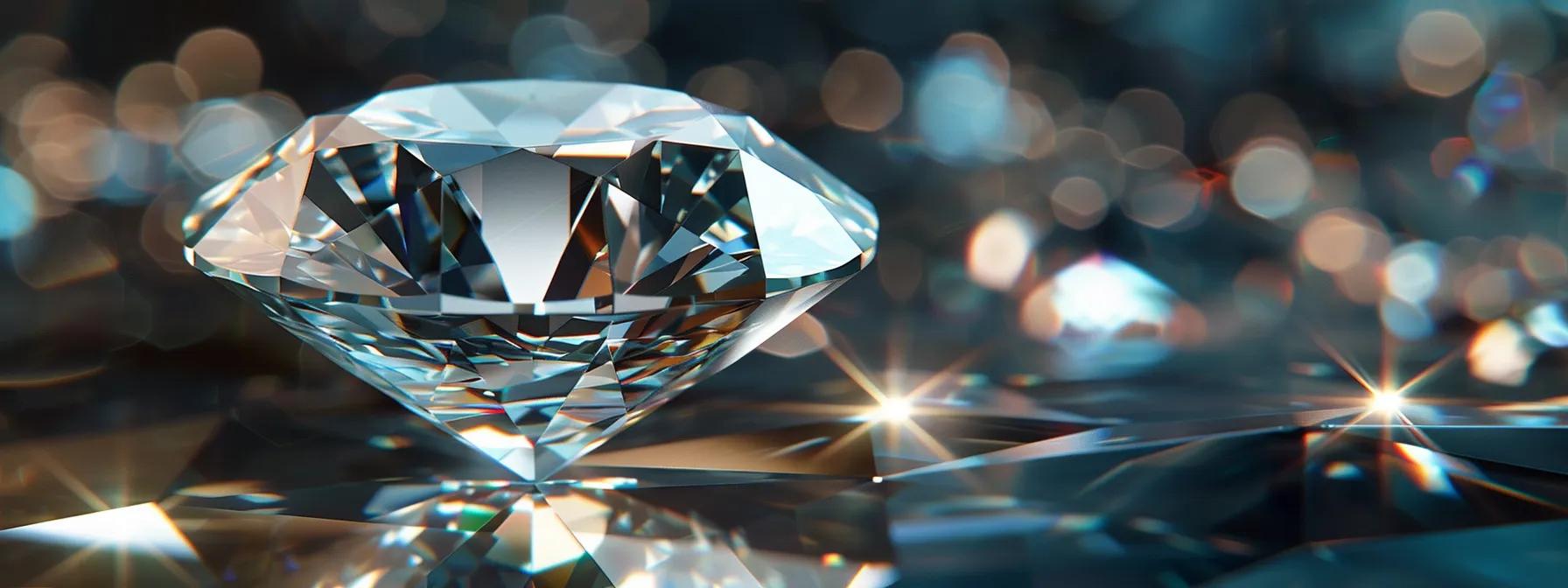
Diamond cut options provide buyers with a range of shapes and styles, each with distinct light performance, appeal, and craftsmanship demands. The term “cut” refers to both the diamond’s shape and the quality of its facets, which maximize brilliance and fire through precise angles and proportions that optimize light reflection.
What Defines the Round Brilliant Cut and Its Key Features?
The round brilliant cut is the most popular shape, known for its exceptional brilliance. Featuring 57 or 58 facets (depending on whether the culet is included), its circular outline and calculated facets ensure maximum sparkle. Favorited for engagement rings and fine jewelry, its classic appeal and versatility allow it to complement both modern and vintage settings. The round brilliant excels in scintillation, dispersion, and fire, making it a timeless treasure.
How Does the Princess Cut Compare to Other Diamond Cuts?
The princess cut is a square or rectangular shape with pointed corners that offers a modern alternative to the round brilliant. Defined by sharp geometric lines and brilliant faceting, it typically features more facets, resulting in a distinct, edgy sparkle. Its angular design creates striking visual appeal, particularly in sleek wedding rings. With high brilliance, fire, and competitive pricing relative to similar-sized rounds, the princess cut blends innovation with value.
What Are the Unique Traits of Emerald and Asscher Cuts?
Emerald and Asscher cuts are notable for their distinctive step cuts and refined elegance. They are characterized by large open table facets that create a “hall of mirrors” effect. Rather than maximizing sparkle with numerous facets, these cuts emphasize clarity and sophistication through long, clean lines. The Asscher cut, often more square with a higher crown, exudes a vintage Art Deco feel. Both cuts appeal to buyers who value clarity and a refined geometric aesthetic over maximum fire.
What Should Buyers Know About Cushion, Oval, Pear, and Marquise Cuts?
Cushion, oval, pear, and marquise cuts each offer their own traditional charm and modern appeal with varying light performance. The cushion cut, with its soft rounded corners and larger facets, provides a romantic vintage vibe while sparkling impressively. The oval cut is an elongated version of the round brilliant that creates a slimming effect on the finger. The pear cut, combining a round and marquise shape, is distinctive and elegant, often used in pendants or earrings. Lastly, the marquise cut’s elongated, curved shape maximizes carat weight and gives the illusion of longer, slender fingers. These varied shapes allow buyers to choose a diamond that suits both their style and practical requirements.
How Do Diamond Cut Grades Affect Brilliance and Value?
A diamond’s cut grade plays a critical role in its overall brilliance, sparkle, and monetary value. It measures not only the precision of the cut but also the efficiency with which a diamond returns light. Even with lower carat weight or clarity, a well-cut diamond can appear exceptionally brilliant if its proportions and symmetry are ideal.
What Is the GIA Cut Grade Scale and How Is It Measured?
The GIA (Gemological Institute of America) cut grade scale is the industry standard for assessing round brilliant diamonds. It evaluates proportions, symmetry, and polish, categorizing diamonds from Excellent to Poor. Important factors include table percentage, depth percentage, crown and pavilion angles, and girdle thickness. Diamonds rated Excellent or Very Good typically show superior light performance, translating into enhanced brilliance and fire, and ensuring transparent pricing and value.
How Does the AGS Cut Grade Differ From GIA Standards?
The AGS (American Gem Society) system provides an alternative, performance-based evaluation that scores diamonds numerically—lower numbers indicate better light performance. Focusing on brightness, fire, and scintillation, the AGS grading system can offer more specific performance metrics. Although both systems are reliable, some buyers prefer AGS for its detailed performance insights, which help in finding a stone that meets specific visual expectations.
Why Is Cut Grade More Important Than Other 4Cs for Sparkle?
Cut grade is considered the most important factor because it directly influences how light is reflected within the diamond, regardless of its carat, clarity, or color. Even high-scoring diamonds can appear lackluster if cut poorly. Precision in cut is key to a diamond’s sparkle, making it the top priority for engagement rings and fine jewelry. Even slight improvements in cut grade can create measurable increases in brilliance and visual impact.
How to Choose the Best Diamond Cut for Your Budget and Style?
Choosing the optimal diamond cut involves balancing visual appeal with budget constraints. The ideal cut depends on both financial parameters and personal style. Different cuts offer unique combinations of sparkle, elongation, and aesthetic appeal that influence the ring’s overall design, long-term satisfaction, and potential resale value.
What Diamond Cuts Offer the Best Value for Different Budgets?
Certain cuts, such as princess and cushion, are known for offering excellent value while maintaining high brilliance. The princess cut, for instance, delivers a modern look at a lower price point compared to a similar round brilliant. In contrast, oval and pear cuts, though sometimes higher priced due to their stylish appeal, offer the added benefit of elongating the finger. Understanding these nuances helps buyers select a diamond cut that both fits their aesthetic preferences and maximizes their investment.
How Does Cut Choice Affect Engagement Ring Styles?
The diamond cut largely determines the overall style and silhouette of an engagement ring. For example, a round brilliant pairs beautifully with traditional solitaire or halo settings, while a princess or cushion cut can enhance the modern sophistication of a bezel setting. Vintage-inspired designs often favor cuts like Asscher or emerald to evoke an Art Deco feel. Ultimately, experimenting with various cuts in different settings can help in selecting the style that best complements the wearer’s finger shape and personal taste.
What Are the Resale Value Considerations for Different Cuts?
Diamonds that maintain higher cut grades tend to preserve their value better over time. Classic cuts like the round brilliant command reliable resale prices due to longstanding buyer confidence, while more fashionable cuts such as oval or pear can see their market value fluctuate with trends. Buyers should consider that timeless designs with precise cuts are more likely to deliver stable financial returns in the long term.
What Are the Key Factors to Consider When Selecting a Diamond Cut?
Selecting the ideal diamond cut requires careful evaluation of multiple factors that determine a diamond’s overall performance. Beyond appearance, factors such as brilliance, fire, scintillation, personal taste, and ethical considerations all play crucial roles. A solid understanding of these elements helps reduce the uncertainty that comes with a significant investment.
How Do Brilliance, Fire, and Scintillation Influence Cut Selection?
Brilliance (the overall light return), fire (the dispersion of light into spectral colors), and scintillation (the sparkle observed when a diamond moves) are directly influenced by the diamond’s cut proportions and symmetry. A diamond cut too deep or too shallow may lose valuable light, diminishing its brilliance. In practice, an optimal facet arrangement and precise angles enhance all three aspects, making the stone appear mesmerizing. Evaluating sample stones can help buyers identify which cut best meets their ideals of light performance.
How Important Is Personal Preference Versus Industry Standards?
While industry standards from organizations like GIA and AGS provide objective assessments, personal taste plays a crucial role in selecting a diamond. Many buyers prioritize what they find aesthetically pleasing over technical specifications. Balancing professional recommendations with one’s own sense of style ensures that the chosen diamond remains a cherished symbol that also adheres to quality standards.
How Does Ethical Sourcing Impact Diamond Cut Choices?
Ethical sourcing is becoming increasingly significant. While it does not alter a diamond’s cut, knowing that a stone is mined or produced responsibly can affect buyer satisfaction. Ethical considerations involve transparency in mining practices and adherence to conflict-free standards. Many reputable retailers, including Diamond Store USA, are dedicated to offering ethically sourced diamonds, adding integrity and trust to the investment.
What Are the Differences Between Natural and Lab-Grown Diamond Cuts?
Natural and lab-grown diamonds, while identical in chemical composition and physical properties, differ in the methods used for cutting and assessing their quality. Both types are crafted to meet rigorous industry standards, yet they offer unique considerations regarding performance, purity, and value for buyers who are budget- and style-conscious.
How Do Lab-Grown Diamond Cuts Compare in Quality and Appearance?
Lab-grown diamonds are produced using advanced technology and strict quality controls, resulting in cuts that are virtually indistinguishable from those of natural diamonds. Both can achieve high cut grades and display similar brilliance and fire. Often available at a competitive price, lab-grown stones allow buyers to invest in a larger or higher-quality diamond without compromising on visual appeal. Many buyers appreciate the predictable performance and ethical benefits that lab-grown diamond cuts provide.
What Are Popular Cut Options for Lab-Grown Diamonds?
The market for lab-grown diamonds mirrors that of natural diamonds, offering classic options such as round brilliant, princess, cushion, and emerald cuts. Due to technological precision, these stones often exhibit exceptional symmetry and polish. Buyers can expect balanced brilliance and fire from lab-grown diamonds, making them an attractive choice for those who value sustainability alongside traditional beauty.
How Does Ethical Sourcing Relate to Lab-Grown Diamond Cuts?
Lab-grown diamonds inherently follow sustainable practices, as they are produced in controlled laboratory environments with minimal environmental impact. Ethical sourcing in this segment means reduced carbon footprints and adherence to strict environmental regulations. For buyers who prioritize sustainability, lab-grown diamond cuts offer the confidence that their purchase aligns with both beauty and ethical responsibility.
What Tools and Resources Help Buyers Understand Diamond Cut Options?

Navigating diamond cuts can be complex, so a range of reliable tools and expert resources are available. Online comparison charts, interactive visualizations, and detailed guides help translate technical specifications into clear information. These resources enable buyers to understand the nuances of each cut option, making it easier to balance beauty with value.
How Do Diamond Cut Comparison Tools Enhance Buyer Confidence?
Comparison tools allow buyers to view different cut grades side-by-side, highlighting variations in brilliance, fire, and scintillation. By integrating certified lab reports and high-resolution imagery, these tools provide clarity on how cut quality affects overall appearance. This interactive approach enhances buyer confidence, ensuring that the chosen diamond meets both aesthetic and performance expectations.
Where Can Buyers Find Expert Guidance on Diamond Cuts?
Expert advice is accessible through reputable retailers, certified gemologists, and respected jewelry blogs. Whether through in-store consultations, virtual appointments, or detailed online articles, expert guidance breaks down complex information into practical insights. This support helps buyers understand the technical aspects of the 4Cs—especially cut—while considering how these details translate into visual beauty.
What FAQs Do Buyers Commonly Have About Diamond Cuts?
Common questions from buyers include inquiries about the relationship between cut grade and overall beauty, how to balance cut with other factors like carat and clarity, and which cuts are most desirable in today’s market. Other FAQs address how lighting affects diamond appearance and the differences between natural and lab-grown diamond cuts. Detailed, industry-standard answers to these questions help ensure buyers fully understand the purchase process and feel confident in their decision.
How Do Diamond Cut Options Influence Overall Diamond Quality and Buyer Satisfaction?
The choice of diamond cut is a primary factor in determining overall quality and buyer satisfaction. By directly influencing the way light interacts with the stone, the cut works in tandem with carat, clarity, and color to create a dazzling display. A well-chosen cut not only enhances beauty but also solidifies the diamond’s value over time.
How Does Cut Interact With Carat, Clarity, and Color?
Even if a diamond scores high in carat, clarity, and color, a subpar cut can diminish its beauty. A well-executed cut maximizes light return, ensuring that the stone sparkles regardless of size or inclusions. For instance, a diamond with excellent cut proportions but moderate clarity can outperform one with superior clarity but poor cutting. This balance is key to achieving the best visual performance and overall satisfaction.
Why Is Cut Considered the Most Critical Factor in Diamond Beauty?
Without an optimal cut, a diamond’s potential for sparkle and fire is compromised. Precision in angles and proportions is essential for reflecting light and creating a captivating play of light and shadow. Industry experience shows that even diamonds with high marks in other areas can appear lackluster if the cut is not well executed. This makes cut the foremost criterion in evaluating a diamond for both personal enjoyment and long-term investment.
How Can Buyers Ensure They Choose the Right Cut for Their Needs?
Combining expert consultations with interactive tools and thorough research is the best way to select the proper diamond cut. Buyers should review detailed cut reports from reputable labs, utilize online comparison tools, and seek advice from certified gemologists to match the diamond’s characteristics to their personal style and practical needs.
Frequently Asked Questions
Q: What is the most popular diamond cut and why? A: The round brilliant cut is favored for its exceptional brilliance and precise 57 or 58 facets, which maximize sparkle—making it a timeless choice for engagement rings and fine jewelry.
Q: How does the cut grade affect a diamond’s price? A: Cut grade directly impacts light performance and sparkle, so diamonds with higher grades command higher prices due to their superior brilliance.
Q: Are lab-grown diamond cuts as good as natural diamond cuts? A: Yes, lab-grown diamond cuts are comparable to natural ones regarding quality and appearance. They are crafted to the same standards and can offer ethical and environmental benefits.
Q: How should I balance cut with other 4Cs when purchasing a diamond? A: Although carat, color, and clarity are important, the cut is the most critical for sparkle. Buyers should prioritize a high cut grade and then balance the other 4Cs according to their budget.
Q: Can a diamond with lower clarity still exhibit excellent sparkle if cut well? A: Absolutely. A well-executed cut enhances brilliance so effectively that a diamond with minor inclusions can still appear stunning.
Q: What resources are available to help choose the right diamond cut? A: Online comparison tools, certified gemologists, and expert guides from reputable sources like the GIA or AGS provide valuable insights for selecting the right diamond cut.
Q: How does personal style influence the choice of diamond cut? A: Personal style is key in diamond selection. While classic cuts like round brilliant offer timeless appeal, modern cuts such as princess or cushion provide a contemporary twist that reflects individual taste and design preference.
Final Thoughts
Understanding diamond cut options is essential for selecting a gem that blends beauty, quality, and lasting value. Each cut—from the popular round brilliant to the elegant emerald and Asscher—affects performance and overall sparkle. By considering cut grade, the balance with the other 4Cs, personal style, and ethical sourcing, buyers can make well-informed decisions that meet both aesthetic and investment objectives. Explore available options, consult with industry experts, and utilize comparison tools to find the diamond that best reflects your style and values. A carefully chosen diamond will not only light up the moment but continue to shine brilliantly for generations to come.
Understanding Diamond Cuts
When it comes to diamond cut options, the shape and style significantly influence a diamond's sparkle and brilliance. The cut refers to how the diamond has been shaped and faceted, allowing light to enter and reflect within it. Popular cuts include the round, princess, and emerald styles, each offering a unique flair. These cuts enhance the gem's beauty, making them a key consideration for buyers who desire a stunning piece of jewelry.
Choosing the Right Cut
However, it’s essential to choose the right cut based on personal taste and the occasion. For instance, a round cut typically maximizes brilliance, making it an excellent choice for engagement rings. Alternatively, buyers looking for a modern twist might prefer the princess cut. So, think carefully about your lifestyle, as it can influence the durability of specific cuts, because some may be more prone to chipping or scratching than others.
Factors Affecting Your Decision
Furthermore, understanding grading and the 4 Cs (cut, color, clarity, and carat weight) will help you appreciate the value and quality of different diamond cut options. At the same time, consider how each cut reflects light, as this can greatly affect the overall appearance of the diamond. Therefore, exploring various cuts is crucial for making an informed decision about your investment, ensuring you select the perfect diamond that meets your expectations.
